

The government has taken a major decision to ensure the country’s energy supply amid geopolitical pressures and security concerns on key sea routes. It has approved the import of refined fuel oil worth Tk 12,537 crore for the remaining period of the current fiscal year 2026. Under this purchase, fuel oil will be purchased from Chinese state-owned companies ‘Unipec’ and ‘Petro China’ and Indonesia’s ‘BSP’ under G2G (Government to Government) agreements.
These proposals were approved at a meeting of the Cabinet Committee on Government Procurement held on Wednesday (September 16).
In principle, the procurement committee and the cabinet committee on economic affairs held on the same day approved the direct purchase of 695,000 tons of gas oil and jet fuel without inviting international tenders.
The legal obligation to purchase fuel in a 50:50 ratio through G2G and open tenders under the normal process has been relaxed in the current special circumstances on the recommendation of the Finance Ministry. However, the Finance Ministry has not confirmed how many thousand tons of refined oil will be supplied at this price.
Middle East Crisis and Search for Alternative Sources According to international media and energy analysts, shipping traffic in the Strait of Hormuz has been virtually halted for the past six months. In addition, commercial shipping in the Bab-el-Mandeb Strait has also been seriously threatened due to obstruction by Yemen’s Houthi rebels.
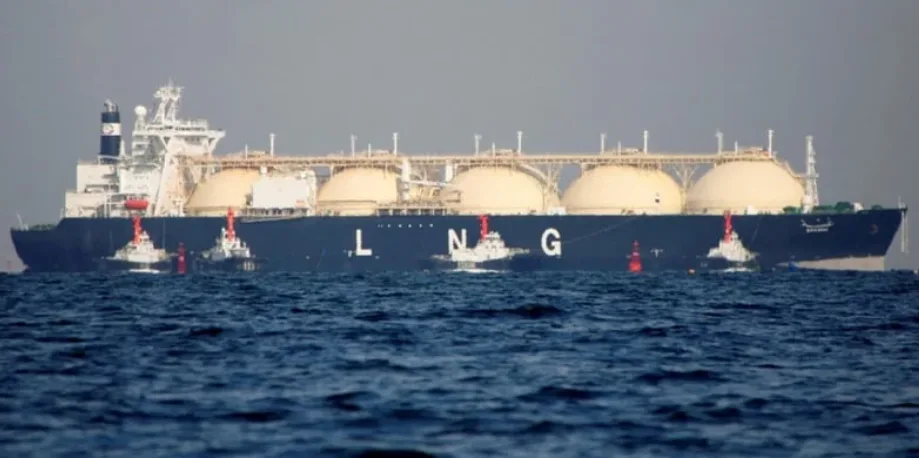
As the crisis in the Middle East and the Red Sea has disrupted major energy supply lines, Bangladesh is being forced to purchase LNG and refined fuels from alternative countries outside of West Asia at higher prices and in the shortest possible time.
Recent gas and fuel imports at a glance:
-
Refined oil: Oil worth Tk 12,537 crore under G2G agreement from two Chinese and one Indonesian state-owned company.
-
Gas oil and jet fuel: 695,000 tons without tender.
-
LNG (August): Approval was given to purchase a total of 22 cargoes of LNG directly from 7 international companies in two phases to meet urgent demand.
-
LPG (August): The decision to import 5,000 tons of emergency LPG to maintain market stability is being implemented.
Those concerned hope that this government step, taken on an emergency basis, will stabilize the market and make it possible to largely meet the energy shortage in the national power and transportation sectors.




Comments (0)
No comments yet. Be the first to comment.
Leave a comment
Comments are moderated before publication.